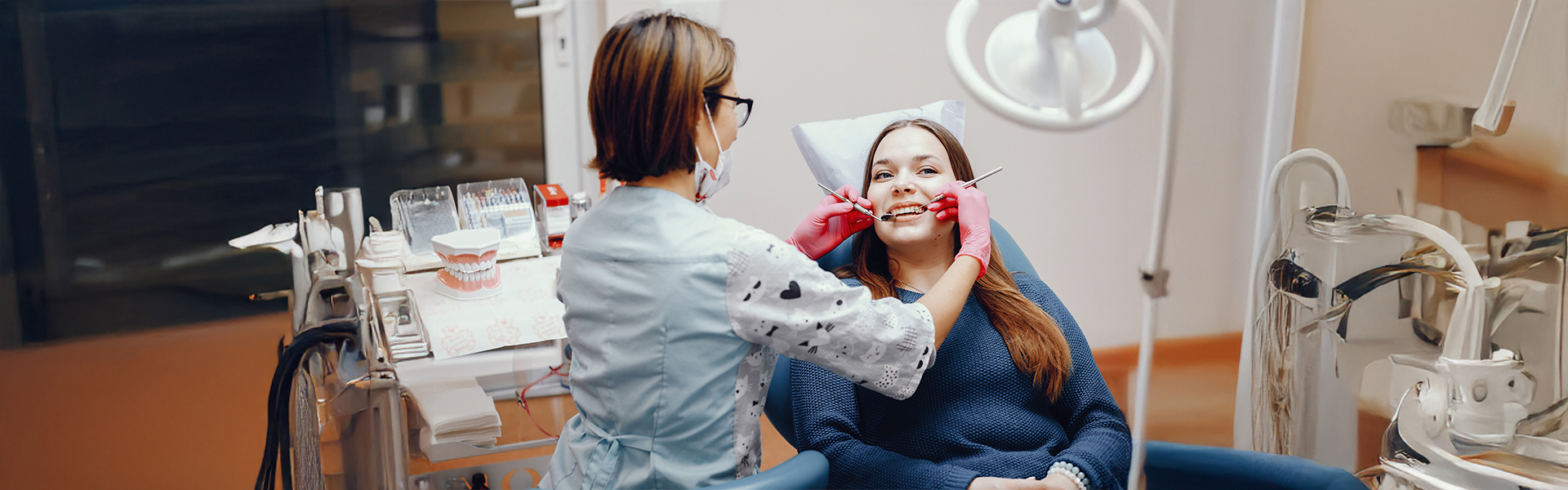
Is Teeth Bonding Painful or Comfortable? A Tampa, FL Patient Guide
What Tampa Patients Should Know First
If you are considering Dental Bonding you may wonder whether the treatment will hurt.
Many patients assume that any cosmetic dental work involves drilling or injections. Bonding is different. It is one of the most conservative cosmetic options available and usually involves minimal alteration of natural enamel.
Before recommending bonding, a dentist evaluates the tooth’s health, gum condition, and bite alignment. Cosmetic care should only be performed when the underlying tooth structure is stable and free of active decay or infection.
How Teeth Bonding Works
Teeth bonding in Tampa, FL uses a tooth-colored composite resin to repair minor cosmetic concerns.
In most cases, only a small amount of enamel is lightly roughened to help the material adhere. Significant drilling is typically not required unless decay is present. The technique focuses on preserving as much natural tooth structure as possible.
This treatment is often used to repair minor chips, close small gaps, smooth uneven edges, or improve localized discoloration. It is not intended to replace orthodontic treatment or restore severely damaged teeth.
Why Patients Choose Bonding
Many individuals choose this option because it can improve minor cosmetic concerns in a single appointment. The material is sculpted directly on the tooth, allowing adjustments during the visit.
It may also be considered when patients prefer a conservative alternative to veneers. Since less enamel is removed, future treatment options usually remain open if cosmetic goals change.
A consultation with a dentist in Carrollwood, FL, helps determine whether bonding is suitable or if another restorative approach would provide better long-term support.
Is Teeth Bonding Painful?
For many individuals, bonding is comfortable. The treatment usually does not involve deep drilling or nerve exposure. For cosmetic-only cases, anesthesia is not required.
You may feel slight pressure while the surface is prepared, but sharp pain is not typically expected. If bonding is placed to treat decay or reshape a damaged area, local anesthesia may be used to maintain comfort.
Patients searching for Teeth Bonding near me are often reassured to learn that injections are unnecessary in many cosmetic situations.
What You May Notice During Treatment
The tooth is gently prepared so the resin can bond securely. A conditioning solution is applied, followed by placement of the composite material.
The dentist refines the material to achieve the proper form before activating a curing light to solidify it. Once set, the bonded area is polished to create a smooth finish that blends with the surrounding enamel.
Many individuals compare the sensation to receiving a small filling, though it is usually simpler. If you are looking for a dentist near me, asking about each step in advance can help you feel more comfortable.
How Long Does the Appointment Take?
Bonding is typically completed in one visit. Treating one tooth typically takes about 30 to 60 minutes, depending on the case.
Since only limited enamel adjustment is involved, most individuals return to normal daily activities immediately after leaving the office.
Your dentist will review the expected lifespan of the restoration.
With consistent oral hygiene and routine visits to a dental clinic near you, composite bonding remains stable for several years. Routine maintenance may be recommended if surface wear develops with regular use.
Experience and Care Matter
Final appearance depends on careful shaping and accurate shade selection to ensure a natural blend with surrounding teeth. Proper contouring and color matching affect how natural the restoration appears.
At Carrollwood Dental Studio – Tampa, each case begins with a comprehensive evaluation. Dr. Allan Fallah reviews enamel thickness, bite alignment, and overall oral health before recommending this cosmetic option. If it is not suitable, alternative treatments are discussed so that long-term stability is not compromised.
A clear discussion of benefits, limitations, and expected durability helps patients make informed decisions.
Final Considerations
Teeth bonding is generally a comfortable and conservative cosmetic treatmentThe resin is applied to the tooth, carefully contoured, and then set with a curing light. Discomfort is typically mild when corrections are limited to minor enamel adjustments.
Reviewing your expectations with a qualified provider can help ensure the treatment aligns with your cosmetic and functional needs.
Author’s Bio